Standard Bots Launches AI Platform for Factory Robots
Standard Bots has launched Standard Bots AI, a platform that lets factory workers program robots from an iPad with no code, using three new skills for factory tasks.
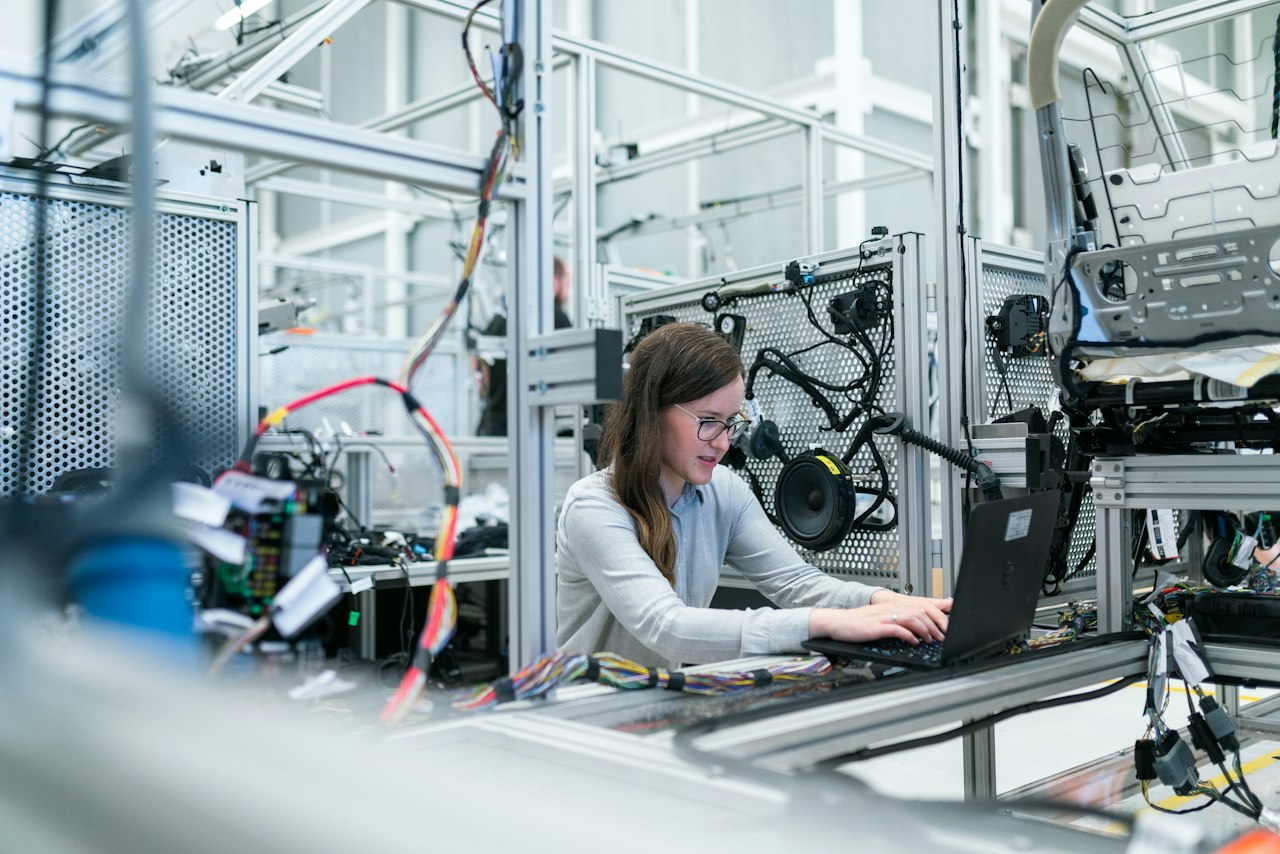
The Standard Bots AI platform is designed to make factory robots easier to set up, even for workers with no coding experience. Standard Bots, based in Glen Cove, New York, launched the platform on 15 October, with three skills called Agent, Locate, and Inspect. The idea is that frontline workers can program complex robot tasks in minutes from an iPad, with no code, no fixtures, and no outside integrator. The platform links image capture, AI model training, deployment, and ongoing tuning in one guided workflow, with a built-in chatbot to help users through the process. The AI is available now, according to the company.
Factory robots have traditionally needed specialists to program them, which can slow down changes on a production line. A new product, a new package, or a new layout often means calling in an integrator and waiting for a custom setup. The Standard Bots AI platform aims to cut that delay by letting the people who work with the robots every day set up tasks themselves, using prompts, taps, or demonstrations instead of writing code. The Agent skill handles task planning, Locate helps the robot find and identify objects, and Inspect checks the work as it happens. Together, they are meant to make automation more flexible, especially for smaller factories that cannot afford a large robotics team.
Standard Bots AI platform targets faster setup
The Standard Bots AI platform is part of a wider trend toward no-code robotics, where AI handles the technical details and workers focus on the task itself. Similar tools are appearing across the industry, from AI vision training for factory robots to shared-autonomy forklifts and tactile robot hands for precision work. For Standard Bots, the pitch is speed and simplicity: a worker can show the robot what to do, test it, and adjust it on the spot, rather than waiting for a specialist. The company says the approach can help factories adapt more quickly to new products and changing demand. If the platform works as described, it could lower the barrier to automation for many manufacturers, and give factory workers a more direct role in shaping how robots are used on the line.
Source: Logical Solutions Group