REM Sleep Shift Linked to Alzheimer Proteins
A study in Nature Communications found that ageing shifts REM sleep from fast sawtooth waves to slow delta waves, a change linked to impaired memory and higher levels of Alzheimer-related proteins.
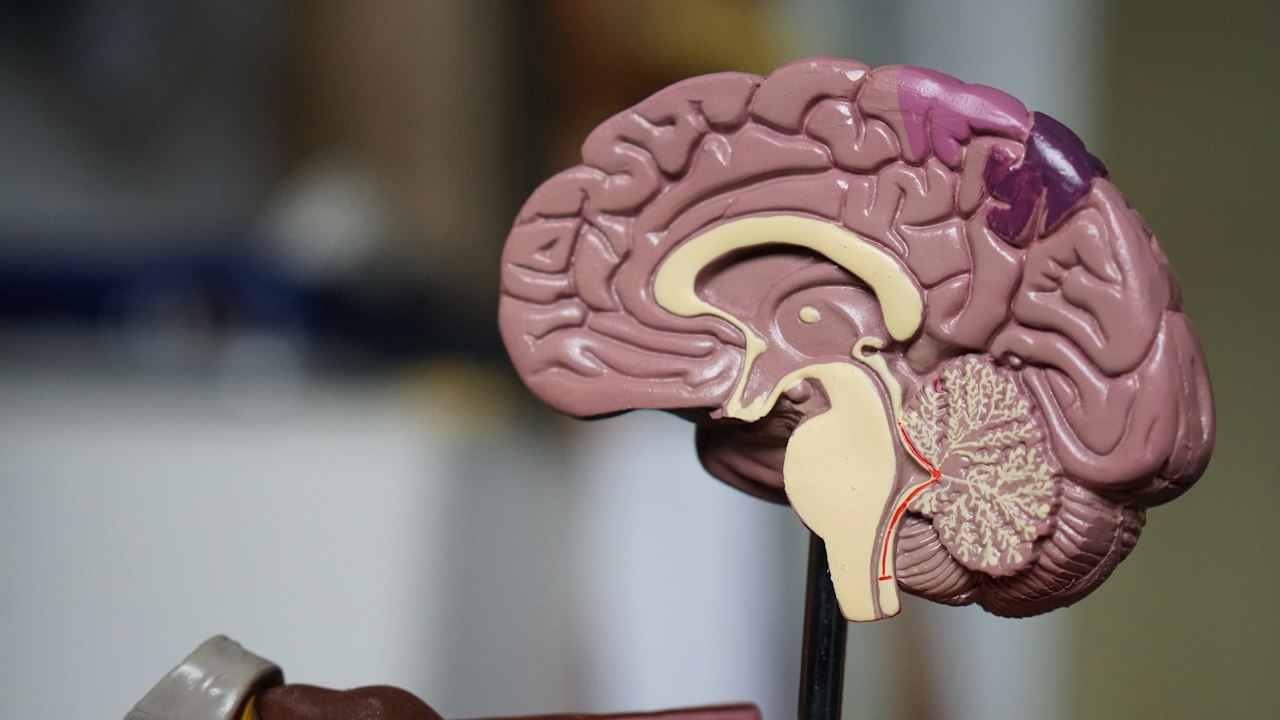
New research published in Nature Communications has identified a link between changing patterns of REM sleep and increased levels of proteins linked to Alzheimer’s disease in ageing adults. The REM sleep Alzheimer proteins study, published on 30 October 2026, found that ageing causes a shift from fast sawtooth delta waves to slow, non-REM-like waves during REM sleep. That change was associated with impaired memory consolidation, the process by which the brain stabilises memories after learning, and with higher levels of amyloid-beta and tau proteins. Researchers analysed two independent cohorts to compare delta wave shape against those protein levels.
The study, led by Tenzin Desel, Matthew Walker and Omer Sharon, found that APOE alleles, variants of a gene long linked to Alzheimer’s risk, were specifically associated with a reduced density of fast sawtooth waves during sleep. Sawtooth waves are a distinctive feature of REM sleep, the stage most closely linked to dreaming, and their decline may signal that the brain’s overnight memory work is becoming less efficient. The researchers describe the shift as a REM sleep signature of impaired memory consolidation, a measurable pattern that could help scientists track how sleep and memory change with age.
Why REM sleep Alzheimer proteins matter
The findings do not show that poor sleep causes Alzheimer’s disease, and the researchers are careful to present the link as an association that needs further study. They do suggest, however, that sleep patterns could become a useful early marker for changes in brain health, and that protecting sleep may support memory in later life. For older adults and their families, the work adds to a growing body of evidence that sleep is not a passive rest state, but an active part of how the brain maintains itself. Future research will test whether improving sleep can slow the shift in brain waves, and whether the pattern appears before other signs of decline.
Source: Wise Voter


