Groups Move to Protect West Coast Fishers in Old Forests
Conservation groups notified the U.S. Fish and Wildlife Service on October 28 of their intent to seek protections for fishers in northern California and southwestern Oregon.
West Coast fishers are at the centre of a new conservation effort announced on October 28, when the Center for Biological Diversity and allies notified the U.S. Fish and Wildlife Service of their intent to seek Endangered Species Act protections for fishers in northern California and southwestern Oregon. Fishers are relatives of martens and wolverines and depend on mature and old-growth forests for their survival. The groups say the agency denial of protections ignored serious threats, including habitat loss, climate change and poisoning by rodenticides.
Fishers once roamed from British Columbia down to Southern California, but their West Coast populations were reduced by fur trapping and logging. Logging continues to damage the older forests that fishers need to survive, and worsening wildfires linked to human-caused climate change add further pressure. Just three isolated native fisher populations remain on the West Coast, two in the southern Sierra Nevada mountains and another in Northern California and southwestern Oregon.
Why West Coast fishers depend on old forests
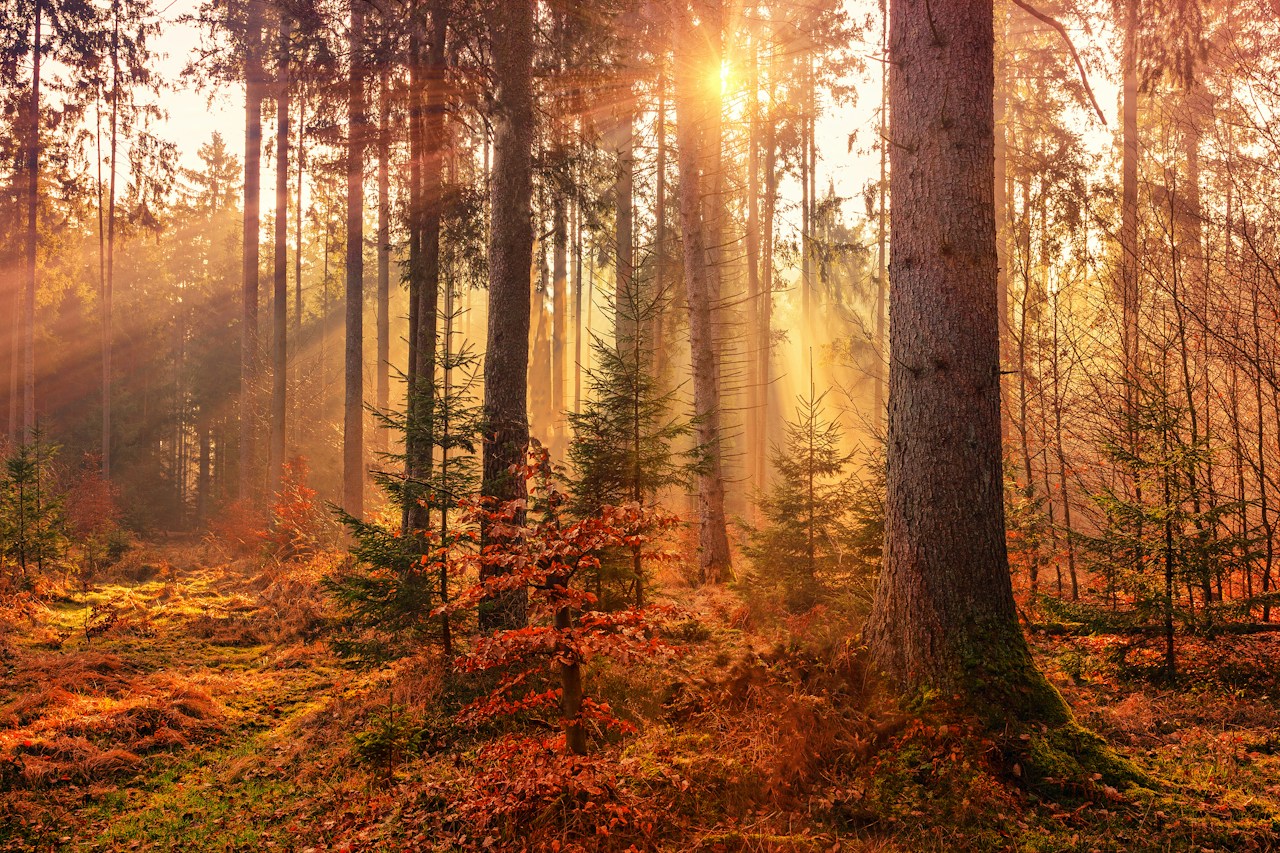
West Coast fishers depend on old forests because those forests provide the structure fishers need to live, hunt and raise young. Large trees with cavities offer dens for mothers and kits, while fallen logs, dense canopy and a rich understory provide cover and prey, including small mammals and birds. Younger, heavily logged forests often lack those features, with fewer large trees, less canopy and less dead wood on the forest floor.
The groups argue that science shows fishers are at risk and warrant the protections of the Endangered Species Act, a law that has helped many species recover when habitat is protected and threats are reduced. A listing would require agencies to consider fisher habitat in planning and to take steps to avoid harm, though the details would depend on a formal decision and a recovery plan.
Source: Center for Biological Diversity