A Short Workout or a Nap May Protect Memory After a Sleepless Night
A new study finds a 20-minute workout or a 90-minute nap protected memory after a sleepless night, with both groups scoring about 22 percent better than those who did neither.
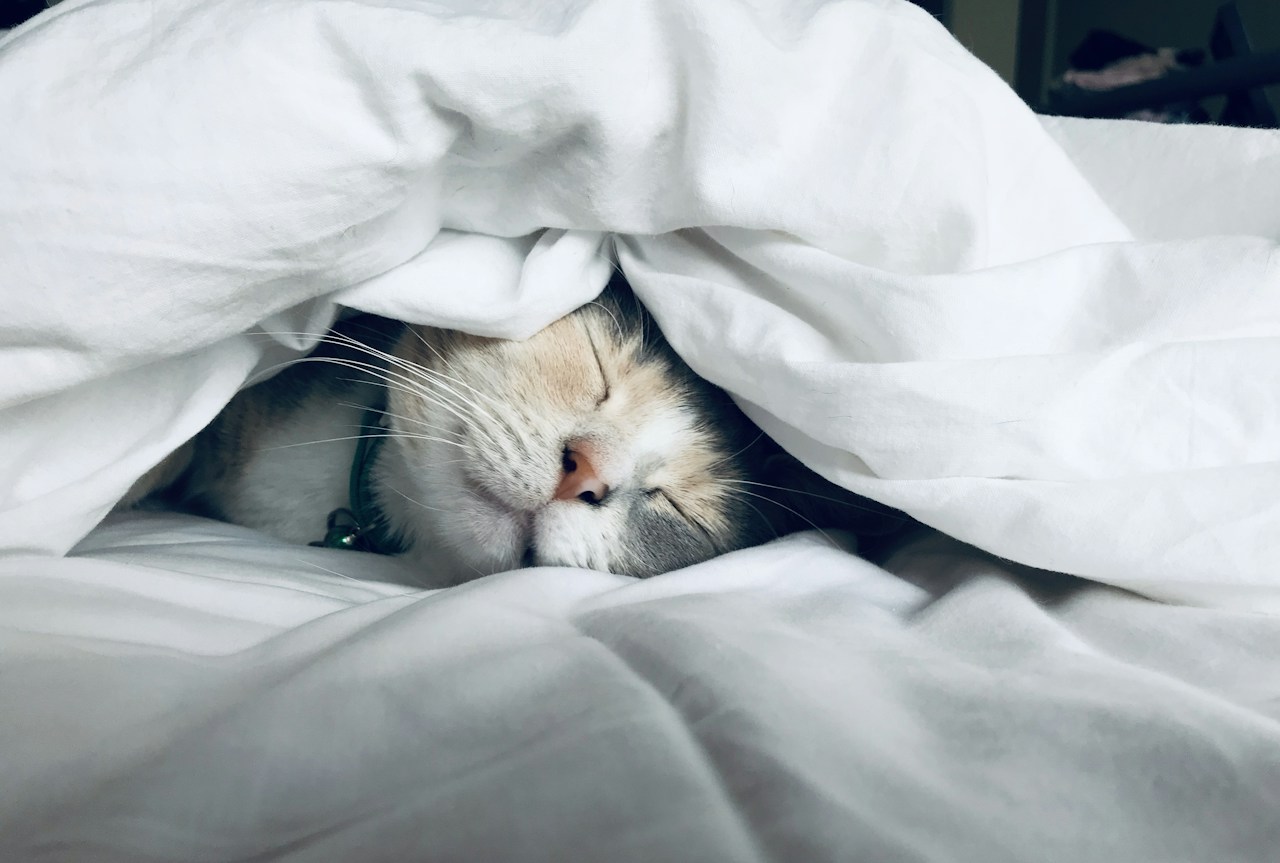
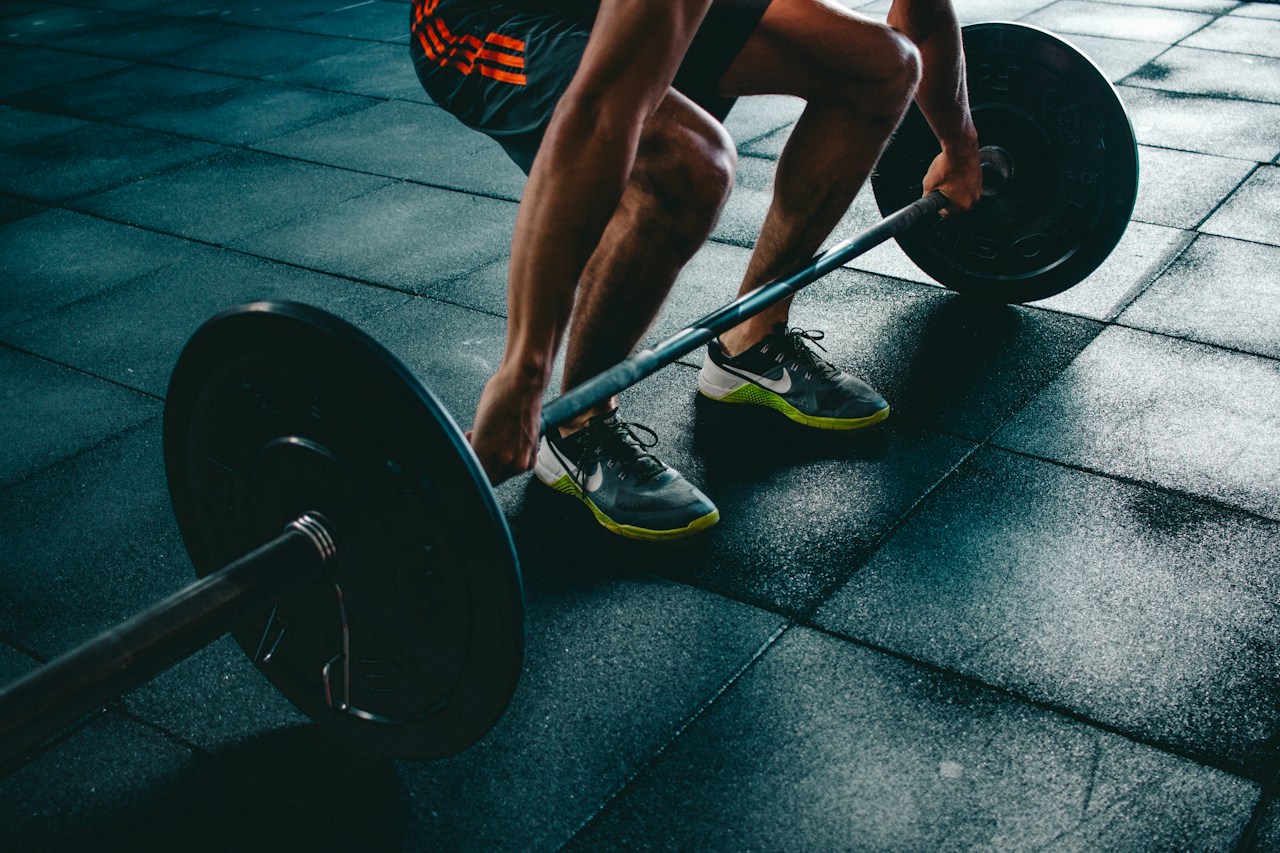
Sleepless night recovery may be simpler than many people expect, according to a Canadian study reported on 1 November 2026. A sleepless night can leave the brain feeling foggy, but the study, published in the Proceedings of the National Academy of Sciences, suggests that either a short workout or a nap may help protect memory. Lack of sleep can impair the brain’s ability to form new episodic memories, which are important for thinking, planning and decision-making. The study involved 54 healthy young adults who stayed awake for 30 hours under laboratory supervision. They were then assigned to a 20-minute cycling session, a 90-minute nap, or a rest period with no activity.
Researchers found that people who exercised or took a nap performed about 22 percent better on memory tests than those who did neither. Napping appeared to help the brain recharge, making it better prepared to absorb and store new information. Exercise, meanwhile, seemed to help the brain use its remaining resources more efficiently without leaving participants more tired. The two options worked through different routes in the brain, yet produced a similar memory result three days later, when participants were tested on images they had viewed after the intervention. The finding offers practical help for people in high-stress jobs, parents, students and shift workers who sometimes face a night with little or no sleep.
Using Sleepless Night Recovery in Real Life
Using sleepless night recovery in real life starts with a clear limit: neither a workout nor a nap replaces a full night of sleep. Experts urge caution, because the study tested a single night of sleep loss in healthy young adults, and the results do not cover older adults, people with sleep disorders, or people who need to drive or work around hazards. If you have a short window, a gentle 20-minute ride or brisk walk may help you feel sharper, while a 90-minute nap can help if you have time to sleep and wake fully before your next task. The best plan remains a regular sleep routine, with seven to eight hours a night, consistent bedtimes, and a dark, cool bedroom, so a sleepless night stays the exception rather than the rule.
Source: The Week