Home Batteries Deliver Record 745 Megawatts to California Grid
Sunrun and Tesla home batteries set back-to-back records on October 5 and 6, delivering enough power at peak to cover homes in San Francisco and San Jose combined.
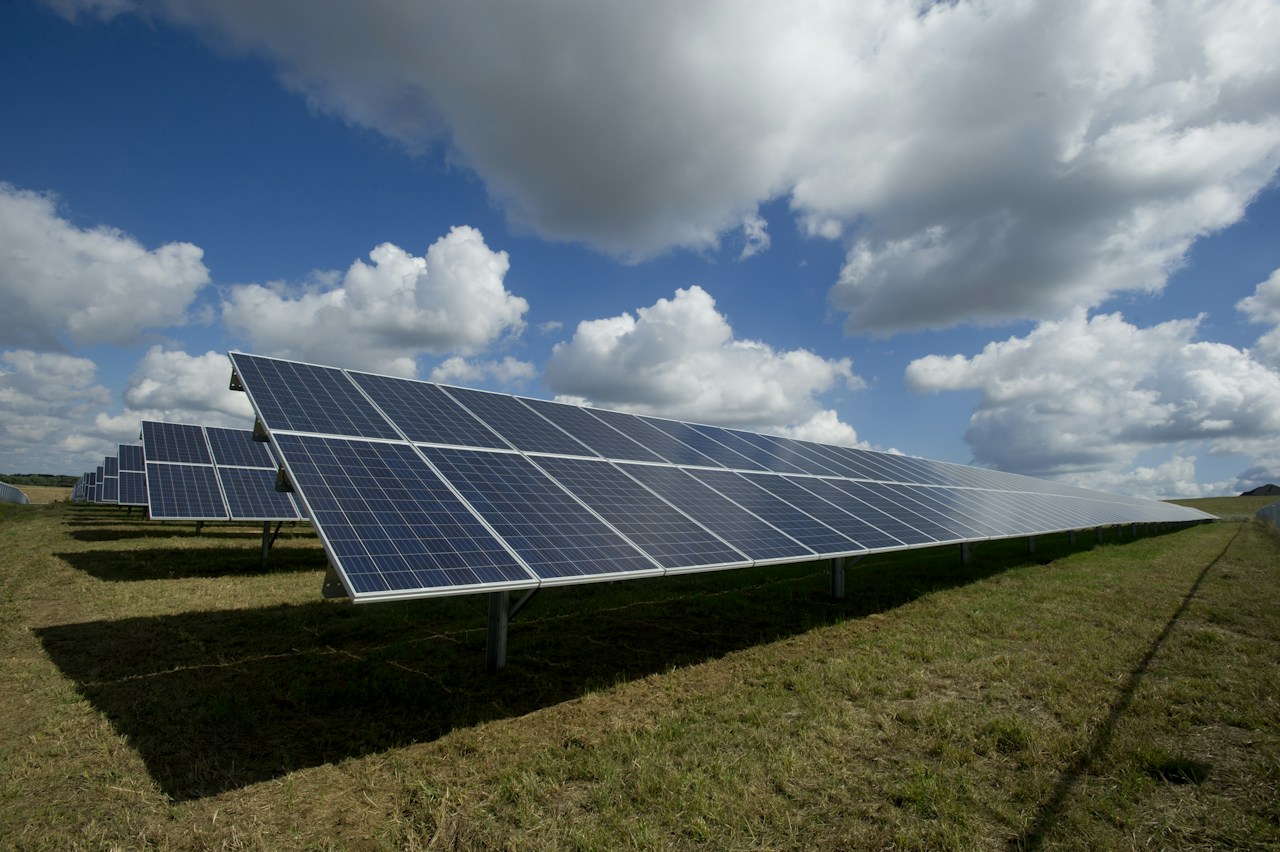
Home battery grid power set new records in California during a prolonged heat wave in early October, showing how thousands of small systems can work together as one large resource. Sunrun announced on October 14 that consecutive records were set for the largest residential distributed power plant dispatches in United States history, delivering 669 megawatts on October 5 and a record-breaking 745 megawatts on October 6 to support the state grid during evening peak periods.
The October 6 dispatch alone was enough to power all households in San Francisco and San Jose combined during peak hours, according to the announcement. The two events surpassed the previous residential distributed power plant record of 580 megawatts, set on September 9, 2026.
How a home battery grid helps during a heat wave
A home battery grid, often called a virtual power plant, links many household batteries through software so they can charge when solar power is plentiful and discharge together when the grid needs help. In California, that pattern fits the daily cycle well: solar panels produce strongly in the middle of the day, batteries store the extra energy, and in the evening, when people return home, cook, cool their homes and charge devices, the stored energy flows back to the grid.
For homeowners, taking part can bring a sense of control and, in some programmes, payments or bill credits for the energy they share. For grid operators, the growing fleet offers flexibility that is hard to match with traditional plants, because batteries can respond quickly and can be located close to where power is used. Homeowners who already own a battery can check with their utility about enrolment, safety checks and any credits for sharing stored power. Schools, libraries and community centres can also share simple tips on saving energy and storing solar power for evening use.
Source: Morningstar