New Feed Supplement Helps Honey Bees After Blueberry Pollination
Washington State researchers found that a feed supplement called Nano-B-Feed increased honey bee colony size after blueberry pollination, in a study reported October 28.
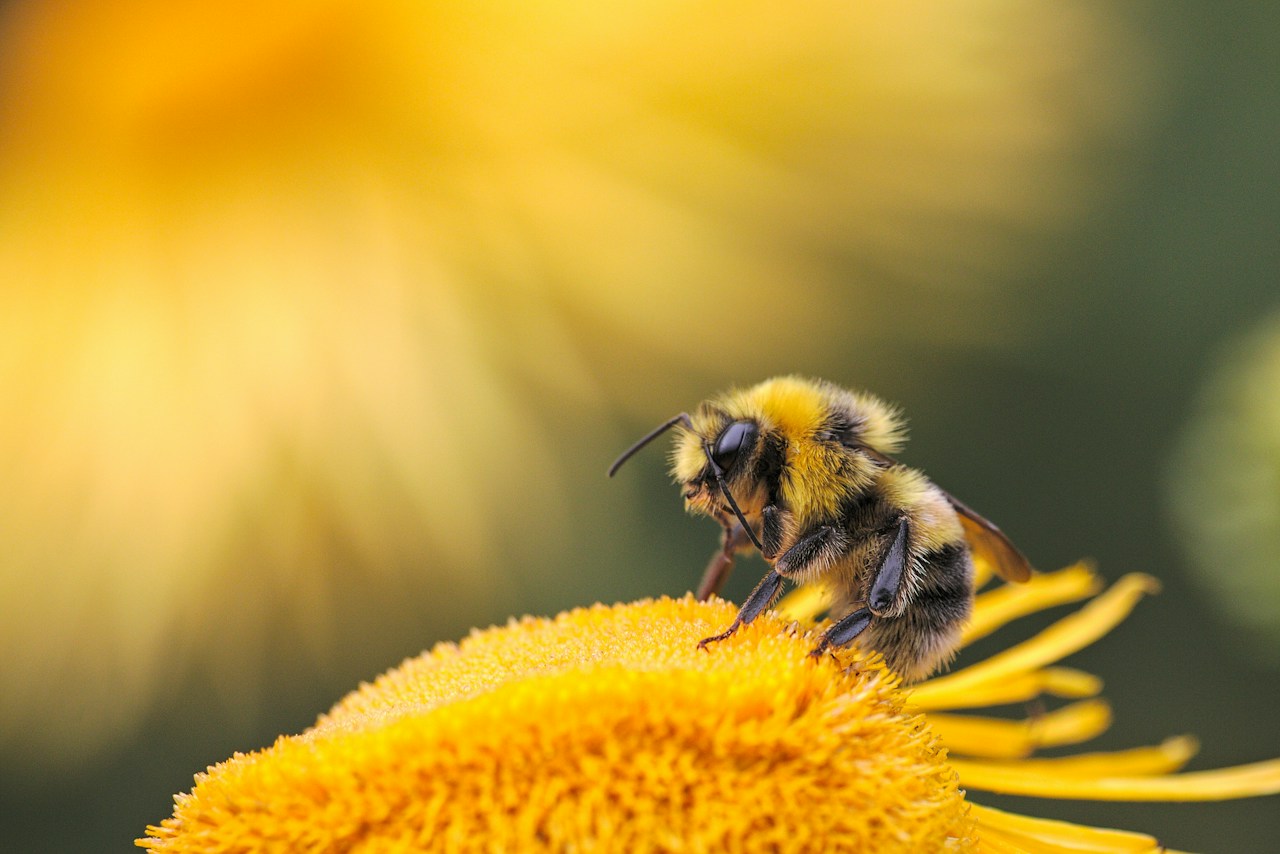
Honey bee colonies may get help from a new feed supplement after blueberry pollination, according to a study reported on October 28. Washington produces more blueberries than any other United States state, but farmers sometimes struggle to obtain honey bees to pollinate the plants and produce fruit. That is in part because beekeepers are reluctant to provide bees to blueberry farms, given increased and mysterious bee colony losses after blueberry pollination.
The team found that feeding the pollinators a product called Nano-B-Feed resulted in increased honey bee colony size. The colonies that received the special feed had a statistically significant increase in the number of bees over the control group, meaning the difference was large enough that it was unlikely to be due to chance alone. The Nano-B-Feed is placed outside the entrance of a treated colony, which makes it less invasive for the bees and safer for beekeepers.
Why honey bee colonies matter for blueberries and food
Honey bee colonies matter for blueberries because blueberry varieties grown in Washington depend on pollination for optimal berry size and production. Without enough bees visiting flowers, fewer berries form, and those that do form may be smaller. Bees also pollinate many other fruits, vegetables and nuts, making them a central part of food production in the United States. When colonies shrink after pollination work, beekeepers face higher costs to rebuild them, and farmers may find it harder to hire bees the next season.
The study is a feasibility study, not a final answer, and the researchers are careful about its limits. It tested the supplement in a specific setting, with blueberry pollination in Washington, and a larger study will be needed to see whether the effect holds in other places, with other crops and under different conditions. For readers, the work is a reminder that pollinator health is a practical issue, not only a wildlife issue.
Source: Phys.org