New Method Records What a Cell Did Days Ago
Researchers at ETH Zurich have developed a method to archive RNA in cells over several days, allowing scientists to reconstruct which genes were active in the past for the first time.
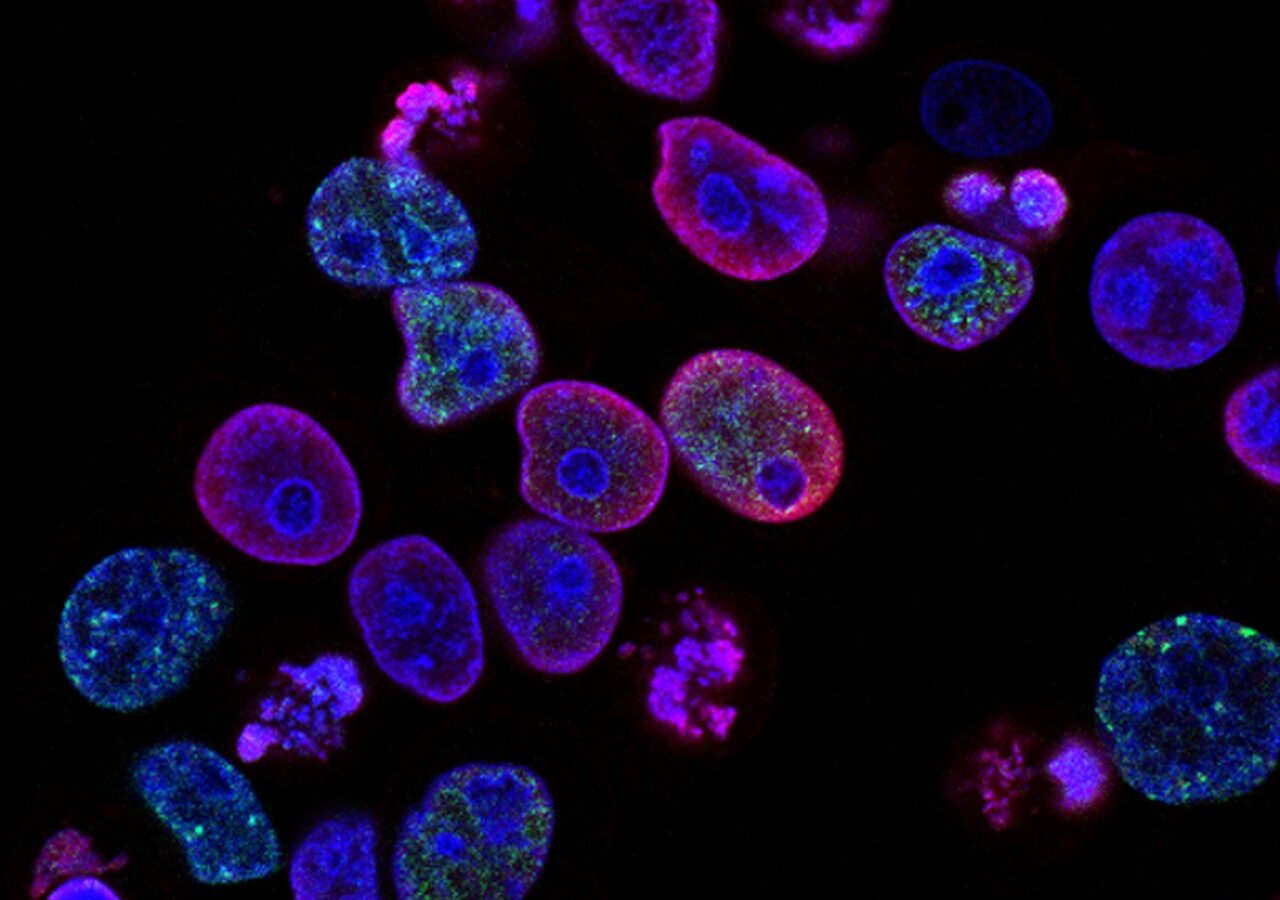
Information about what a cell did a few hours or days ago is generally unavailable to researchers, who can usually measure only the cell’s current state. A new cell RNA recording method developed at ETH Zurich changes that, by allowing RNA molecules to be archived inside cells over several days. The work, reported on 26 October 2026, was led by researchers in the Department of Biosystems Science and Engineering in Basel. To determine which genes in a cell are active, researchers measure RNA molecules, the short-lived copies made from DNA. The new technology stores those molecules, so information about genetic activity can also be obtained retrospectively.
The method, described in Nature Biotechnology on 21 October 2026, uses engineered structures called recordanelles to archive several thousand RNA molecules per cell over several days. One of its strengths is that information can be obtained from cells that are only identified as interesting later, such as those that survive cancer treatment. Researchers can then look back and see which genes were active in those cells before they were singled out. The team has applied for a patent on the technology and wants to develop it further, with a view to future applications in animals and cancer research.
How the cell RNA recording method works
The approach could help scientists get to the bottom of how cancer cells form and why some cells resist treatment while others do not. By linking a cell’s past activity to its later behaviour, researchers can test ideas about development, disease and drug response that were previously hard to examine. The method is still at an early stage, and work in living animals will require further development and testing. For now, it offers a new kind of cellular memory, turning a snapshot of gene activity into a short history that can be read after the events have passed.
Source: ETH Zurich


