Ultra-Processed Food and Bowel Cancer: Type Matters Most
A study of 461,682 adults found no overall link between total ultra-processed food intake and bowel cancer, but processed meat was linked to higher risk.
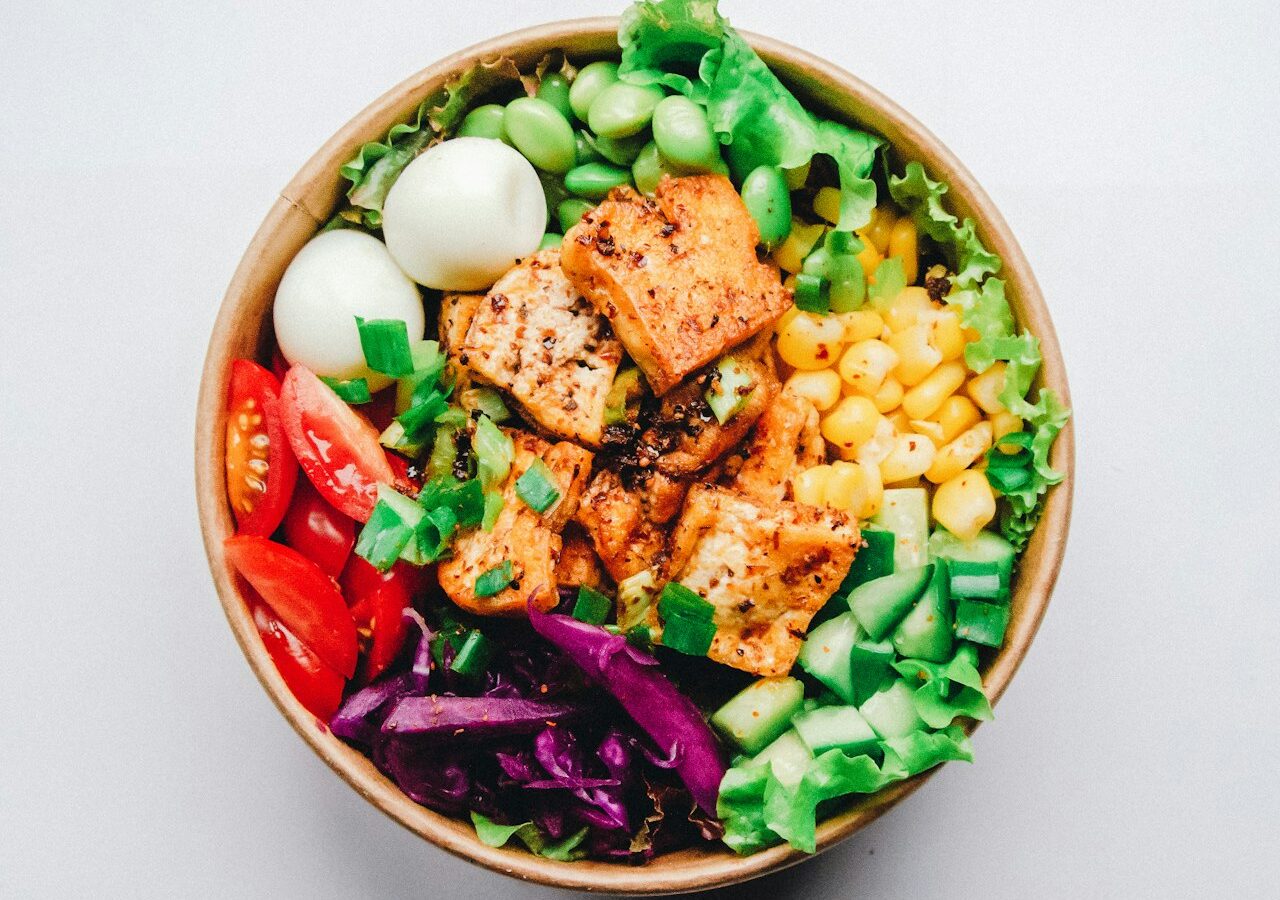
Higher overall consumption of ultra-processed foods was not associated with an increased incidence of bowel cancer in a large study of ultra-processed food bowel cancer published in PLOS Medicine in October 2026, challenging a simple message that all ultra-processed foods carry the same risk. Researchers from the National Cancer Institute and collaborating institutions analyzed dietary information from 461,682 adults in the NIH-AARP Diet and Health Study. Participants were between 50 and 71 years old when they enrolled in 1995 and 1996, and researchers followed cancer incidence through 2018, with a median follow-up of about 19 years. During that period, 10,075 participants developed colorectal adenocarcinoma.
The finding does not mean ultra-processed foods are harmless, and it does not mean diet has no role in bowel cancer. It means the total amount, counted as a single category, did not predict risk in this population, while the type of ultra-processed food did. That distinction matters for readers who have heard broad warnings about processing and wonder which foods to prioritize. The study used the NOVA classification, which groups foods by degree and purpose of processing rather than by nutrient content alone, allowing researchers to separate whole-grain products from processed meats within the same broad category.
Which ultra-processed food bowel cancer links appeared
Participants in the highest category of ultra-processed food consumption did not have significantly higher bowel cancer incidence than those in the lowest category, with a hazard ratio of 0.97. Certain ultra-processed foods were associated with lower incidence, including whole grains and fiber from ultra-processed sources, while others were associated with higher incidence, notably ultra-processed meat such as bacon and ham. Researchers estimated that replacing 10 percent of ultra-processed food intake, measured by weight, with minimally processed foods was associated with about 2 percent lower incidence.
The study was observational, so it identified associations rather than proving that particular foods directly caused or prevented cancer. Diet was measured once at baseline in the mid-1990s, and eating habits change over time, so intake may be underestimated. Still, the message is practical: focus less on a single label and more on the foods themselves, favoring whole grains, fiber, and minimally processed options, and limiting processed meats where possible.
Source: The Fitness Doctors