Lake Powell Rises More Than 20 Feet After Southwest Floods
Lake Powell rose more than 20 feet from its mid-September low after late October and early November storms sent floodwater into the Colorado River system.
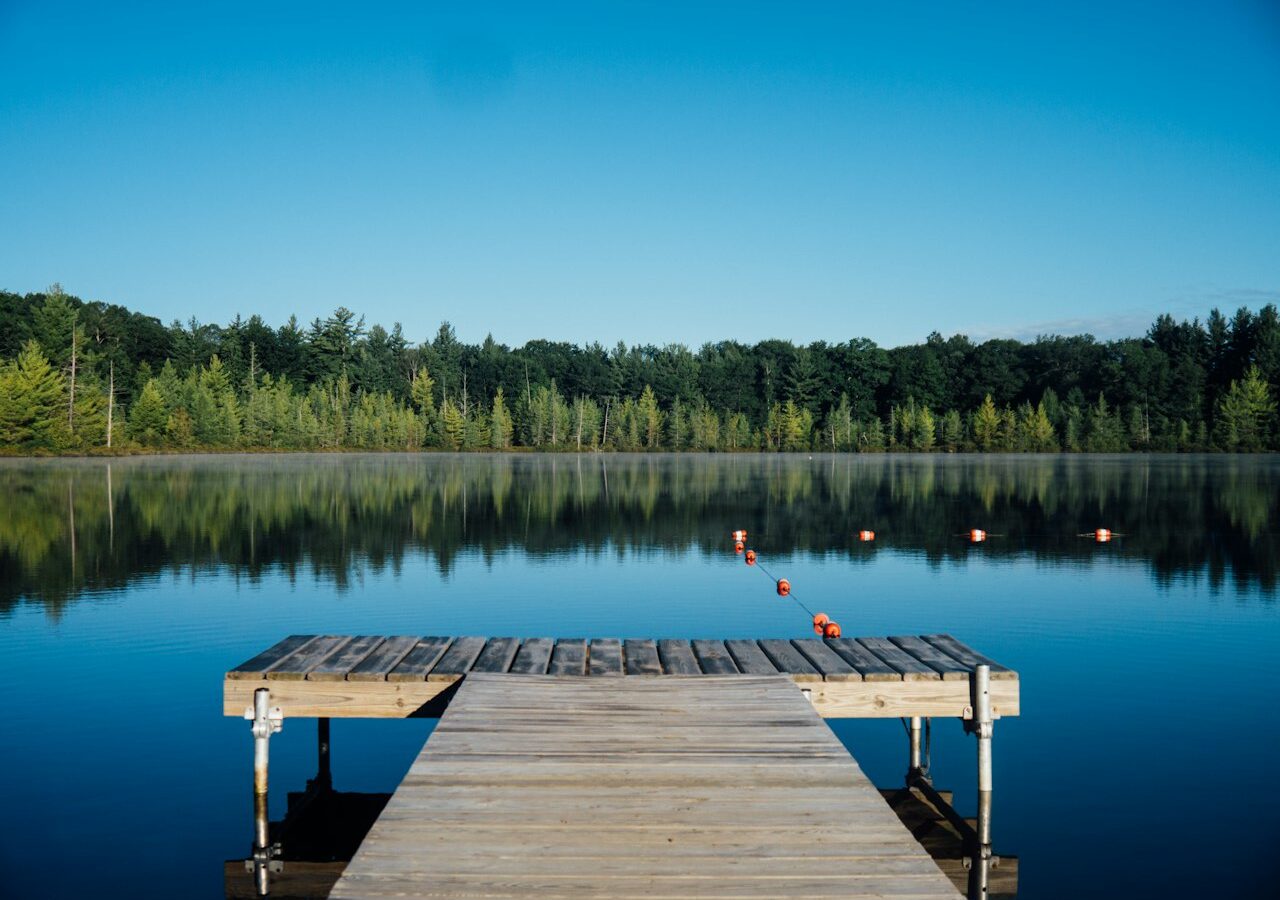
Lake Powell rises more than 20 feet from its mid-September low, after recent flooding across the Southwest sent torrents of water through normally small or dry creeks and into the Colorado River system. The second-largest reservoir in the United States, on the Arizona-Utah border, gained more water from the late October and early November storms than it had from the spring snowmelt all year, according to climate scientist Martin Hoerling of the University of Colorado Boulder. The floodwater could raise the lake further, for a total gain of more than 1.2 million acre-feet. Despite the rise, the lake remained just over a quarter full, and 15 of its 17 boat launches remained unusable as of Friday, a reminder of how low it had fallen after years of dry conditions.
The storms that filled the lake also brought flooding to local communities, with creeks overflowing their banks and roads closed across the Four Corners region. In Pagosa Springs, Colorado, about seven inches of rain fell in October, after more than 10,000 people in the town and surrounding communities had been under water restrictions. Navajo Reservoir in northern New Mexico and southern Colorado rose by nearly 60 feet, reaching its highest level since August 2019. Upper Lake Mary, which supplies Flagstaff, Arizona, with up to 40 percent of its water, received more than three billion gallons since early October, the equivalent of more than two years of water for the town’s surface supply in a single storm weekend. Flagstaff Airport recorded its third wettest day ever on 1 November, with 3.37 inches of rain.
Lake Powell rises after record Southwest rain
The rain was linked to El Niño, which had intensified heavy rain and floods across the region, and to a wet autumn in which rainfall totals were two to four times the average from early September through early November. Last winter’s snowfall had been light, and the spring melt had done little to recharge reservoirs, so the autumn storms provided the first real gains in years. The Bureau of Reclamation, which manages reservoirs in the West, is unlikely to change its water releases from Lake Powell until it knows when snowpack has peaked, typically around April, according to Utah State University professor Jack Schmidt.
Source: Associated Press via TheBullPost